
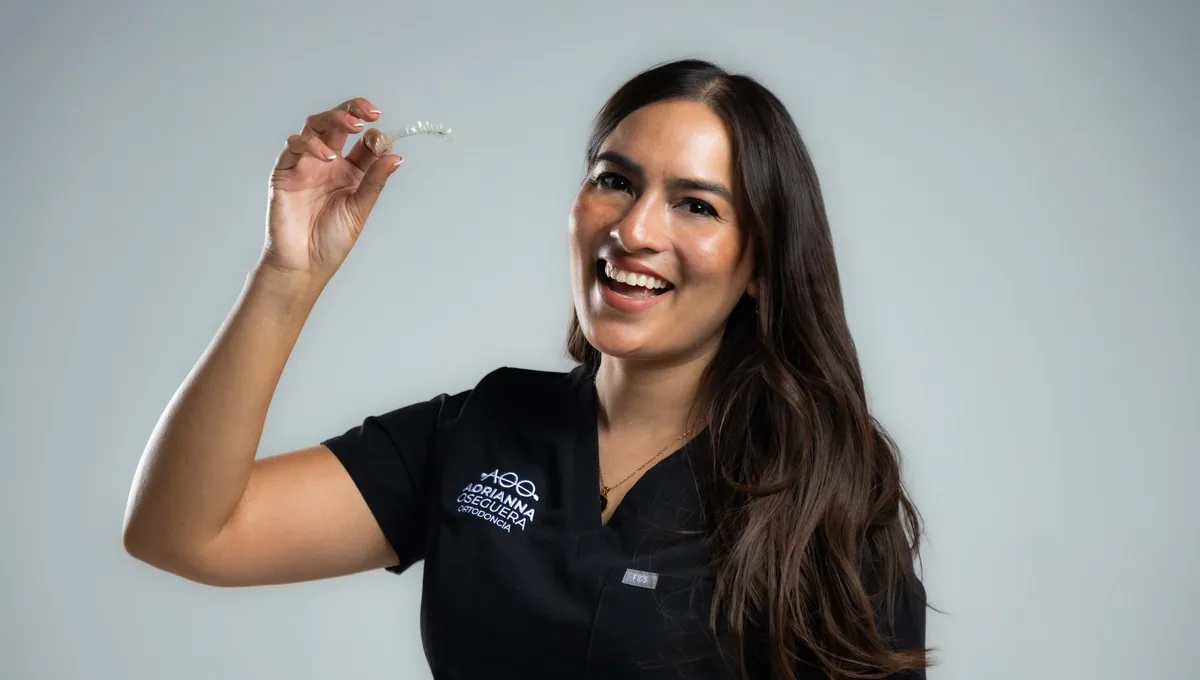
Choosing to pursue orthodontic treatment as an adult is both a transformative personal milestone and a profound clinical decision. Far from being a purely cosmetic enhancement, properly aligning teeth and harmonizing jaw occlusion in mature patients restores masticatory balance throughout the stomatognathic system, protects the temporomandibular joint (TMJ), prevents premature dental wear caused by attrition, and facilitates effective bacterial biofilm removal to safeguard long-term periodontal health for decades to come.
In our clinical consultations in Mexicali—and particularly among cross-border patients commuting from Calexico, El Centro, Yuma, San Diego, and the Coachella Valley—one question consistently arises: Between Invisalign® clear aligners and passive self-ligating braces, which system offers the most predictable biomechanical results while respecting demanding professional schedules and daily lifestyle needs?
As a specialist holding a Master’s Degree in Orthodontics and Maxillofacial Orthopedics from Universidad De La Salle Bajío and as a Certified Invisalign Doctor, this comprehensive clinical guide provides an objective, evidence-based breakdown of both modalities—examining biomechanics, daily maintenance, appointment frequency, and clinical suitability.
1. The Changing Reality of Adult Orthodontics
Historically, orthodontic intervention was viewed as an adolescent rite of passage. Today, adult patients represent nearly 40% of all orthodontic consultations worldwide. However, adult craniofacial biology presents unique anatomical considerations that differentiate it from adolescent treatment:
- Cessation of Skeletal Growth: In adults, the maxilla and mandible have achieved complete skeletal maturity. Suture lines are fully consolidated, meaning skeletal discrepancies cannot be modified by growth modification alone; they require precise alveolar tooth movement, skeletal camouflage, or combined orthognathic surgery.
- Periodontal Status: Adults are more prone to prior bone loss, gingival recession, or thin gingival biotypes. Moving teeth through reduced bone volume requires controlled, light, and continuous biological forces to prevent root resorption or fenestration.
- Pre-Existing Dental Restorations: Many adult candidates have dental crowns, porcelain veneers, endodontically treated teeth, or osseointegrated dental implants. Implants act as fixed ankylosed units that cannot move, serving as absolute anchor points around which the remaining dentition must be meticulously planned.
2. Comparative Biomechanics: How Each System Moves Teeth
Both Invisalign® and modern fixed braces move teeth through the fundamental physiological principle of bone remodeling: applying calibrated pressure against the periodontal ligament (PDL) to stimulate osteoclastic bone resorption on the pressure side and osteoblastic bone apposition on the tension side. Yet the physical mechanism of force application differs fundamentally:
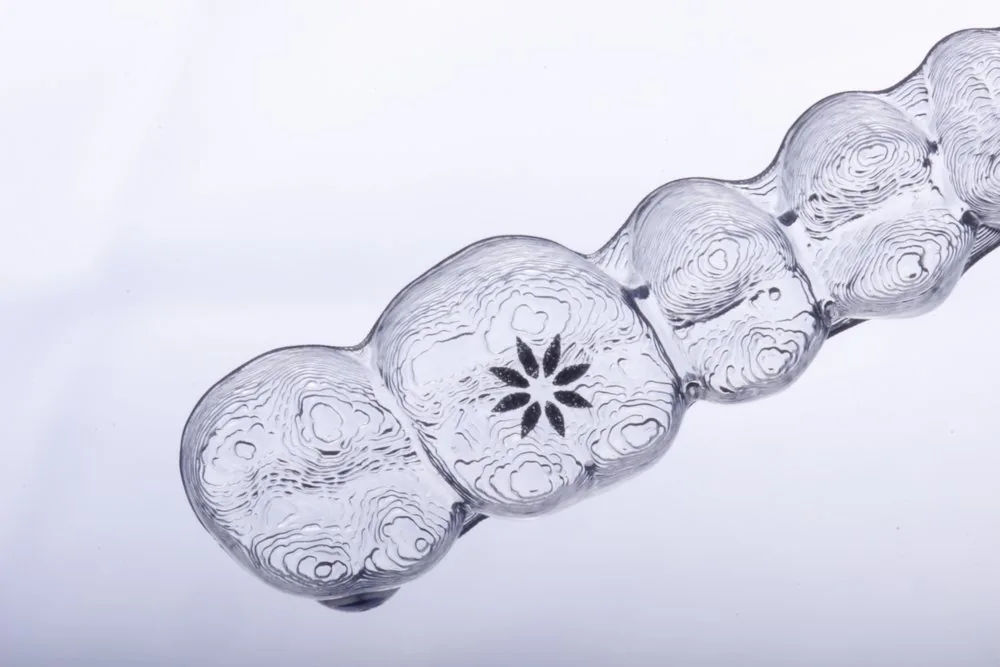
Invisalign® Clear Aligners and SmartTrack® Material
Invisalign® aligners are fabricated from a proprietary, multilayer aromatic thermoplastic polymer known as SmartTrack®. This material was specifically engineered for orthodontic movement, delivering gentle, constant biological forces with high elasticity and precise snap-fit retention.
- SmartForce® Attachments: Clear aligners do not work through plastic trays alone. Small, tooth-colored composite buttons (attachments) are bonded to strategic teeth. These act as customized handles that allow the aligner to direct vectors of push force for root torque, extrusion, and rotational control.
- 3D Push Biomechanics: Unlike braces that pull teeth via tension along an archwire, aligners work primarily through pushing forces. This makes them extraordinarily efficient for arch expansion, space closure, and distalization of upper molars.
Passive Self-Ligating Brackets
Passive self-ligating systems utilize specialized brackets with integrated sliding doors or clips that hold the orthodontic archwire without requiring traditional colored elastic ties. This creates a low-friction biomechanical environment where high-tech thermal nickel-titanium (NiTi) wires express gentle, physiologic forces continuously.
- Three-Dimensional Root Control: Fixed brackets allow simultaneous expression of tip, torque, and in-out movements through wire-slot interactions. For severe rotations, impacted canines, or multi-directional root movements, fixed brackets remain a gold standard in orthodontic therapy.
- Continuous 24/7 Force: Because brackets are bonded directly to teeth, biomechanical expression never pauses. Tooth movement progresses continuously without depending on patient removal or replacement discipline.
3. 10-Point Clinical Comparison Table
The following table summarizes key clinical and operational parameters between both systems for adult patients:
| Clinical Parameter | Invisalign® Clear Aligners | Passive Self-Ligating Brackets |
|---|---|---|
| Aesthetic Discretion | Virtually invisible; scalloped gingival margin fits flush with gum line. | Visible metallic or ceramic brackets bonded to facial enamel. |
| Oral Hygiene & Flossing | Standard brushing and conventional flossing; aligners are completely removed. | Requires interdental brushes, floss threaders, and water flossers around wires. |
| Dietary Freedom | 100% unrestricted; aligners are taken out before meals and hot beverages. | Avoid hard, sticky, or crunchy foods to prevent bracket debonding. |
| Soft Tissue Comfort | Smooth medical plastic; zero sharp hooks or protruding wire ends. | Initial cheek irritation or ulceration common; relief wax frequently required. |
| Patient Compliance Needed | Strict: 20 to 22 hours of daily wear required for programmed tracking. | Passive: Fixed to teeth; results do not depend on patient memory. |
| Appointment Frequency | Every 8 to 12 weeks; ideal for busy commuters from CA & AZ. | Every 4 to 6 weeks for wire changes, adjustments, and torque checks. |
| Enamel Demineralization Risk | Significantly reduced; aligners allow thorough hygiene before reinsertion. | Elevated white spot lesion risk around brackets without meticulous hygiene. |
| Management of Rotations & Impactions | Excellent with SmartForce attachments; complex impactions may require adjuncts. | Superior 3D tensile control for severely rotated or impacted teeth. |
| Emergency Visit Rate | Extremely low; no loose brackets, broken bands, or poking archwires. | Occasional visits for debonded brackets, loose clips, or protruding wires. |
| Post-Treatment Retention | Custom Vivera® clear retainers or bonded lingual retainers. | Custom clear retainers or bonded lingual retainers. |
4. Clinical Indications: When is Each System Preferred?
Optimal Candidates for Invisalign®:
- Business Professionals, Executives & Public Speakers: Adults who require an uncompromised aesthetic appearance in boardrooms, cameras, or social engagements.
- Commuting US Patients: Cross-border residents from Calexico, El Centro, Yuma, or San Diego who benefit immensely from spaced follow-up appointments every 8 to 12 weeks.
- Patients with Prior Periodontal Vulnerability: The ability to remove aligners enables flawless interdental plaque control and regular periodontal cleanings.
- Athletes and Wind Instrument Musicians: Smooth aligners eliminate the risk of cheek lacerations from sports collisions or brass mouthpiece pressure.
Optimal Candidates for Self-Ligating Braces:
- Severe Skeletal & Vertical Discrepancies: Severe high-angle open bites, severe Class III mandibular prognathism, or cases requiring absolute vertical anchorage.
- Impacted Canines Requiring Surgical Traction: Guiding an impacted tooth from the palatal vault into the dental arch requires continuous elastic chain tension best anchored by fixed brackets.
- Patients Preferring Hands-Off Compliance: Individuals who acknowledge they may misplace removable aligners or struggle to maintain the strict 22-hour daily wear discipline.
5. The 6-Step Digital Orthodontic Workflow at Our Clinic
Orthodontic excellence is never about the appliance alone—it is about the specialist’s diagnostic expertise directing the technology. At our Mexicali practice, every adult treatment follows a rigorous digital protocol:
- High-Resolution 3D Optical Scan: Using our iTero Element 5D® intraoral scanner, we capture 6,000 frames per second without messy traditional impression materials. The system instantly generates a photorealistic 3D dental model with sub-micron accuracy.
- ClinCheck® Biomechanical Setup: Dr. Adrianna Oseguera personally calculates each tooth movement, setting precise force vectors, staging tooth rotations, and programming interproximal enamel reduction (IPR) where necessary to resolve crowding without extractions.
- Digital Smile Simulation: Before manufacturing a single tray, patients visualize a dynamic 3D simulation of their anticipated tooth progression and final occlusion.
- Precision Delivery & Attachment Bonding: Composite SmartForce® attachments are bonded using micro-etched dental adhesive under absolute isolation. The first series of aligners is fitted with patient insertion training.
- Strategic Commuter Check-Ups: Patients receive multiple aligner sets for weekly or bi-weekly changes at home. In-office verification visits take place every 8 to 12 weeks to verify clinical tracking against the 3D model.
- Retention & Stability: Upon achieving optimal clinical occlusion, high-strength Vivera® retainers are delivered to preserve facial harmony and tooth alignment permanently.
6. Frequently Asked Questions (FAQ)
Is it too late to get Invisalign or braces as an adult?
It is never too late for orthodontic correction. Bone remodeling is a biological mechanism that remains active throughout adult life. As long as teeth possess healthy periodontal support and adequate alveolar bone height, teeth can be safely and predictably moved at 30, 50, or 70 years of age.
Does Invisalign hurt compared to traditional metal braces?
Patients universally report significantly less discomfort with Invisalign. Because force increments are calibrated weekly across flexible SmartTrack plastic, teeth do not experience the sudden high-tension spikes associated with monthly archwire tightenings. Furthermore, smooth aligner edges eliminate cheek ulcers caused by brackets.
Will clear aligners affect my speech or pronunciation?
Modern SmartTrack aligners are under 0.75 mm thick and custom-molded to the facial and lingual surfaces of your teeth. While a slight phonetic lisp with "S" and "TH" sounds may occur during the first 48 to 72 hours, the tongue adapts rapidly, and speech returns entirely to normal within days.
How many hours per day must I wear my Invisalign aligners?
The international biological standard is 20 to 22 hours per day. Aligners should only be removed during meals and while brushing and flossing. Wearing aligners less than 20 hours slows bone remodeling, leads to aligner tracking lag, and extends overall treatment duration.
Can I receive Invisalign if I have crowns, bridges, or dental implants?
Yes. Specialized composite bonding agents allow SmartForce attachments to adhere securely to porcelain crowns. Osseointegrated dental implants cannot move, so our digital ClinCheck planning programs tooth movement around them, utilizing implants as stable stationary anchors.
Why must Invisalign be managed by an Orthodontic Specialist rather than a mail-order brand?
Moving teeth is a complex medical procedure altering craniofacial biomechanics and jaw joints. Mail-order DIY aligners lack 3D radiographic bone assessment, root tracking, and in-person periodontal evaluations, frequently resulting in bite collapse, irreversible root resorption, and severe open bites. Specialist supervision ensures healthy, biologically sound tooth movement.
How are appointments scheduled for patients living in California or Arizona?
Invisalign® is our most popular option for cross-border commuters. Because full treatment series are digitally manufactured in advance, patients are given sequential aligners to change at home. In-office clinical evaluations occur only once every 8 to 12 weeks, making cross-border travel minimal and convenient.
Will my teeth move back after treatment finishes?
All human teeth have an elastic physiological memory within periodontal collagen fibers. To ensure lifelong stability, retention is an essential concluding phase of every orthodontic journey. We deliver custom high-strength Vivera® retainers or bonded lingual retainers to protect your smile permanently.