
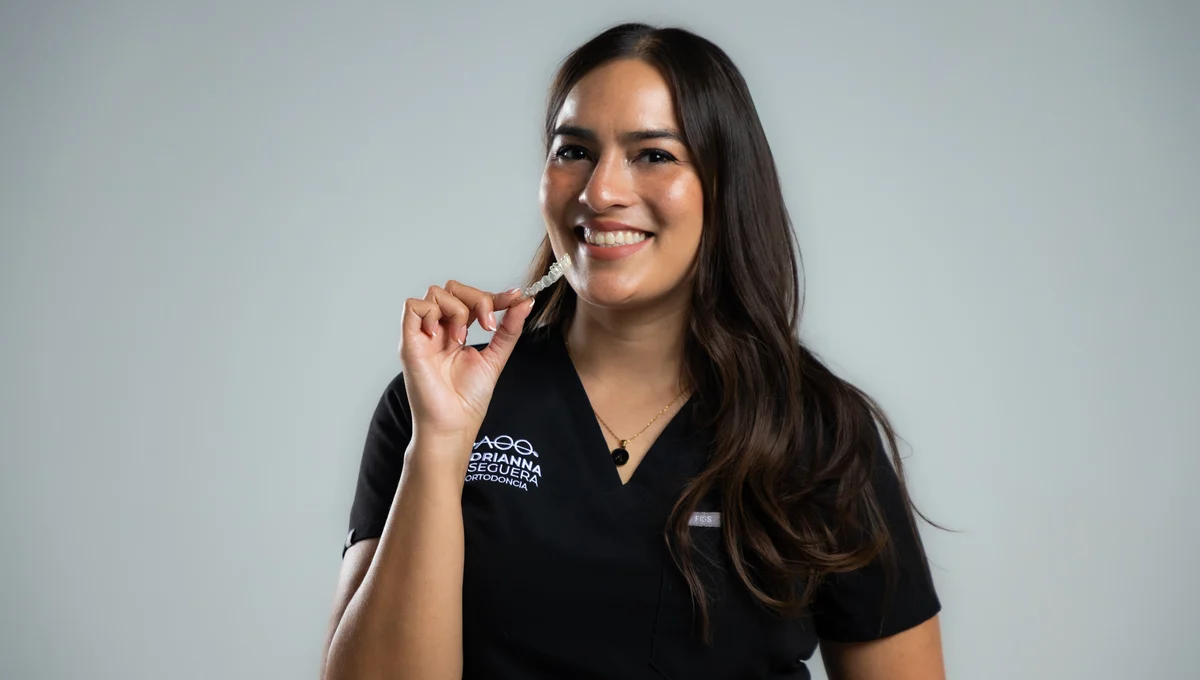
Short answer: orthodontic retainers are essential devices designed to stabilize teeth following braces or clear aligners. The four primary types include Vivera® (high-durability medical polyurethane), Essix (standard clear plastic trays), Hawley (acrylic base with wire bow), and bonded fixed lingual wires. Lifetime retention prevents biological relapse while the surrounding alveolar bone and periodontal ligament mature.
When braces are removed or the final set of clear aligners is completed, most patients assume the finish line has been crossed. However, in modern biological orthodontics, one rule remains absolute: active appliances move teeth, but retention preserves the smile.
At Dr. Adrianna Oseguera's orthodontics clinic in Mexicali, we regularly welcome patients from both sides of the border—including Calexico, El Centro, Yuma, and Imperial Valley—who want to choose the right retainer, replace a lost device, or prevent teeth from shifting. This guide breaks down the clinical differences, the biology of dental relapse, and proper maintenance protocols.
1. What Types of Retainers Exist and How Do They Compare?
Selecting the optimal retention appliance depends on the patient's initial malocclusion, clenching habits, and hygiene compliance. The following table compares all four primary systems:
| Retainer Type | Material & Composition | Typical Lifespan | Aesthetics Level | Hygiene Difficulty | Primary Clinical Indication |
|---|---|---|---|---|---|
| Vivera® (Align Technology) | Proprietary multilayer thermoplastic polyurethane (30% stronger than standard clear plastic) | 3 to 5 years per set | Maximum: Crystal clear optics, laser-scalloped gumline fit | Low: Removable; standard brushing and flossing without obstacles | Post-Invisalign or braces patients seeking discreet aesthetics, superior strength, and cloud-stored 3D records. |
| Standard Essix | Vacuum-formed copolymer / PETG over stone or resin dental model | 6 to 18 months | High: Slim transparent tray | Low: Removable; allows full interdental hygiene when removed | Economical, immediate aesthetic retention after braces removal. Requires more frequent replacements. |
| Traditional Hawley | Palatal/lingual acrylic base with stainless steel labial bow and clasps | 5 to 10+ years | Low: Visible frontal metal bow | Low: Removable; simple to disinfect outside the mouth | Allows natural posterior bite settling and cuspal interdigitation; ideal for deep bites and expansion cases. |
| Bonded Lingual Wire | Braided surgical stainless steel wire bonded with composite resin behind front teeth | 3 to 7+ years | 100% Invisible: Completely hidden behind front teeth | High: Requires daily floss threaders or water flosser | High relapse risk in severe lower crowding, closed diastemas, or patients with poor compliance with removable trays. |
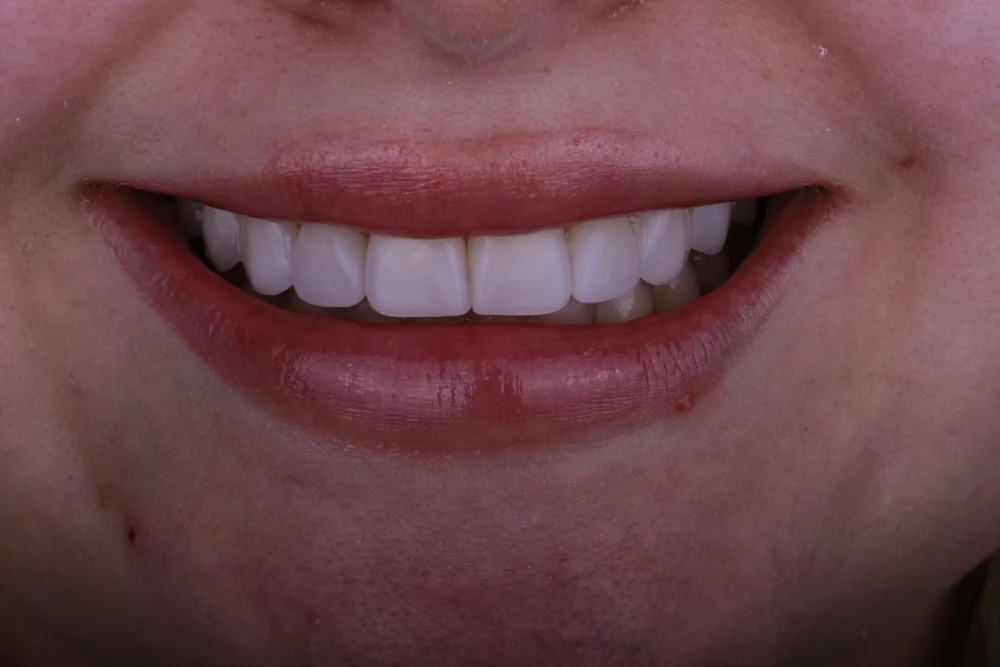
2. The Biology of Relapse: Why Teeth Drift Without Retainers
Alveolar bone and periodontal tissues surrounding tooth roots are dynamic living structures that constantly adapt to mechanical and cellular forces:
- Elastic memory of transseptal periodontal fibers: Collagen fibers in the supracrestal gingiva connect adjacent tooth roots. When a tooth is rotated or moved, these fibers stretch like microscopic rubber bands. Without immediate passive retention, they exert recoil tension, pulling the tooth back toward its original misalignment.
- Alveolar bone remodeling and mineralization (8 to 12 months): During active tooth movement, bone is resorbed and replaced by immature osteoid bone. Scientific literature from the American Association of Orthodontists (AAO) shows that alveolar bone requires 8 to 12 months of stabilization to calcify into dense laminar bone.
- Natural physiological mesial drift: Throughout adult life, teeth experience continuous forward pressure from chewing dynamics, lip/cheek tonicity, and aging. The lower anterior arch naturally narrows over time, making retention a lifetime commitment.
3. 3D Digital iTero® Scans vs. Messy Putty Trays
At our Mexicali clinic, we have eliminated traditional alginate impression trays. Using the iTero Element 3D intraoral scanner, we capture over 6,000 images per second with sub-millimeter precision:
- No gag reflex or distortion: Eliminates discomfort and the physical deformation common in traditional plaster impressions.
- Permanent cloud storage: Your digital 3D model is saved securely in the cloud. If you commute from Calexico, El Centro, Yuma, or Phoenix and lose your retainer, we can fabricate a replacement set of orthodontic retainers without requiring a new in-person scan.
- Laser-scalloped precision fit: Clear retainers are custom-milled to your exact gumline, preventing soft tissue irritation and inflammation.
4. Recommended Retainer Wear Schedule
Retention protocols adapt as alveolar bone matures:
- Phase 1 (Months 1–6): Full-Time Wear (20 to 22 hours daily). Removed only for eating, drinking hot liquids, and brushing. Critical window for periodontal stabilization.
- Phase 2 (Months 6–12): Evening & Night Wear (12 to 14 hours daily). If clinical stability is verified during follow-up, daytime wear is gradually reduced.
- Phase 3 (Year 1 onward): Nighttime Wear for Life. Wearing retainers every night preserves alignment against natural age-related mesial shifting. "Nighttime for lifetime".
5. Cleaning and Care Best Practices
To avoid odor, cloudiness, and bacterial plaque buildup on your retainers, follow these clinical guidelines:
- Essential Best Practices: Rinse with lukewarm water and mild, unscented antibacterial liquid soap after every meal using a soft-bristled toothbrush dedicated solely to your retainers. Disinfect 2x weekly using orthodontic cleaning crystals or ultrasonic baths, and always store in a hard ventilated case when removed.
- Critical Habits to Avoid: Never soak in boiling or hot water (>104°F/40°C), as heat warps thermoplastic polymers instantly. Never brush with regular abrasive toothpaste (micro-scratches trap bacteria and cause cloudiness), avoid colored mouthwashes or alcohol, and never wrap in napkins or tissues (the #1 cause of accidental loss in restaurants).
6. What to Do if Your Teeth Have Already Shifted
If you lapsed in wearing your retainers and notice tight fitting or crowding:
- Minor shifting (1 to 3 days missed): If the retainer seats with mild pressure and no sharp pain, wear it full-time for 72 hours to allow the periodontal ligament to re-adapt.
- Moderate to severe relapse (weeks or months missed): NEVER force a retainer that does not seat completely; doing so risks root resorption and device breakage. A 3D digital scan can assess whether short-term express clear aligners (3 to 6 months) are needed before fabricating new retainers.
7. Cross-Border Patients: Seamless Access from California and Arizona
Our clinic is located at Av. República de Brasil #499-3, Col. Cuauhtémoc Norte, exactly 8 minutes (2.5 miles) from the Calexico West Port of Entry (Downtown). Many patients from Imperial Valley, Yuma, and San Diego park in downtown Calexico, walk across the pedestrian border, and take a 5-minute taxi or Uber directly to our doors.
8. Frequently Asked Questions (FAQ)
How long do clear retainers typically last before needing replacement?
Standard Essix retainers last 6 to 18 months, whereas premium Vivera® retainers last 3 to 5 years per set. Traditional Hawley retainers often exceed 5 to 10 years, and bonded fixed wires last 3 to 7+ years with regular composite checks.
Is a permanent bonded fixed wire better than a clear removable retainer?
Neither is universally superior; they are often combined. Orthodontists frequently recommend a bonded lingual wire for the lower front teeth (where crowding relapse is most common) paired with an upper clear removable retainer for maximum aesthetics and arch stability.
Can an orthodontic retainer re-straighten teeth that have already moved?
No. Retainers are passive holding devices, not active movement appliances. Forcing a tight retainer over crowded teeth can damage bone and roots. A digital scan and targeted clear aligner treatment are required to realign teeth.
Why does my retainer feel so tight after missing just two nights?
Because transseptal periodontal fibers begin contracting immediately toward their pre-treatment position. That tight sensation is the biological signal that minor shifting is already underway.
Can I drink coffee or tea while wearing my clear retainers?
No. Hot temperatures warp the thermoplastic material, and dark pigments stain the clear surface. Only cool, plain water should be consumed while wearing retainers.
If I completed braces in the United States, can I get retainers in Mexicali?
Yes. Many of our patients finished treatment in California or Arizona and visit our Mexicali clinic for 3D digital scanning and high-grade Vivera or Essix retainers without messy impressions.