As parents, we strive to give our children every advantage for healthy growth, confidence, and well-being. Yet in pediatric dentistry, one widespread misconception persists: "We should wait until our child loses all their baby teeth and permanent teeth come in before visiting an orthodontist."
From the perspective of modern, evidence-based dentofacial orthopedics, waiting until age 12 or 13 can cost years of complex intervention and may even lead to avoidable orthognathic jaw surgery in adulthood. By the time a teenager reaches age 13 with all permanent teeth erupted, their cranial and facial bones (the upper maxilla and lower mandible) have completed roughly 85% to 90% of their biological growth—permanently closing non-surgical windows for orthopedic skeletal correction.
Both the American Association of Orthodontists (AAO) and the Mexican Orthodontic Association (AMO) officially recommend that every child receive their first comprehensive orthodontic evaluation no later than age 7. In this guide, Dr. Adrianna Oseguera explains why age 7 is the biological sweet spot and how early interceptive orthopedics safeguards facial symmetry, airway health, and lifelong dental harmony.
1. Why Exactly Age 7? The Eruption of the First Permanent Molars
Age 7 marks a critical developmental transition in a child's mouth known as the early mixed dentition stage:
- Eruption of the "Six-Year Molars": The first permanent molars erupt directly behind primary teeth, establishing the permanent anterior-posterior, transverse, and vertical bite relationships.
- Incisor Eruption: The permanent central and lateral incisors begin emerging, allowing an orthodontist to assess crowding, deep overbites, open bites, crossbites, and facial symmetry.
- A Check-Up Does Not Always Mean Immediate Braces: In many cases, an evaluation confirms normal skeletal growth. The child is simply enrolled in an observation program every 6 to 12 months. But when skeletal discrepancies exist, early guidance prevents structural facial distortion.
2. Dentofacial Orthopedics vs. Orthodontics: What Is the Difference?
While often used interchangeably, orthopedics and orthodontics address distinct biological structures:
- Dentofacial Orthopedics: Guides and modifies the growth, width, and position of the facial and jaw bones (maxilla and mandible). It relies on active growth plates and open skeletal sutures. It is only possible during childhood.
- Orthodontics: Focuses on moving and aligning the teeth within the existing bone architecture. Orthodontics can be performed at any age, including adulthood.
Attempting to fix a narrow jaw by simply tilting teeth outward with braces in a teenager frequently leads to gum recession and relapse. Orthopedically expanding the bone base at age 7 creates genuine skeletal space for all permanent teeth.
3. The Midpalatal Suture: A Biological Window of Opportunity
The upper jaw (maxilla) does not start as a single solid bone; it consists of two separate halves joined down the center by the midpalatal suture. In a 7-year-old child, this suture is composed of soft, vascular cartilaginous connective tissue that responds rapidly to gentle orthopedic expansion forces.
With appliances such as a Rapid Palatal Expander (Hyrax or McNamara), an orthopedic specialist can comfortably widen the upper jaw within weeks, creating adequate space for permanent incisors and canines. By contrast, after puberty (ages 14 to 17), this suture interdigitates and fuses with dense cortical bone, making non-surgical expansion impossible without surgical assistance (SARPE or MARPE).
4. The 6 Critical Conditions That Must Be Intercepted at Age 7
1. Posterior Crossbite & Skeletal Facial Asymmetry
When the upper jaw is narrower than the lower jaw, upper teeth bite inside lower teeth on one side. To chew, the child shifts their mandible laterally. If left untreated, the temporomandibular joint remodels asymmetrically, producing permanent skeletal facial crookedness that persists into adulthood.
2. Constricted Palate, Mouth Breathing & Airway Obstruction
The roof of the mouth forms the anatomical floor of the nasal cavity. A high, narrow ("gothic") palate constricts nasal airflow, forcing children into chronic mouth breathing, snoring, restless sleep, and pediatric sleep-disordered breathing. Expanding the maxilla drops the palatal vault and widens nasal passages, dramatically improving oxygenation and deep sleep.
3. Anterior Crossbite & Skeletal Underbite (Class III)
When lower front teeth bite in front of upper teeth, the upper jaw is physically trapped and prevented from growing forward. Early orthopedic intervention with maxillary protraction (facemask therapy or Class III correctors) pulls the maxilla forward into its correct genetic position.
4. Severe Overjet (Class II Protrusion / "Buck Teeth")
Upper front teeth protruding far past the lower lip carry an extraordinarily high risk of accidental traumatic fracture during playground activities or sports. Intercepting Class II discrepancy and reducing overjet protects incisors from life-altering fractures and boosts self-esteem.
5. Anterior Open Bite from Habits (Thumb Sucking / Tongue Thrust)
Persistent thumb sucking or improper infantile swallowing prevents anterior teeth from touching. At age 7, myofunctional habit appliances gently discourage the habit and allow the anterior dentoalveolar complex to close naturally.
6. Premature Loss of Baby Teeth & Impacted Canines
Baby molars hold essential space for incoming permanent premolars. If lost early to decay, neighboring teeth tilt forward, trapping adult teeth beneath the bone. Space maintainers preserve eruption pathways and prevent canine impaction.
5. Comparison: Early Interceptive Orthopedics vs. Late Treatment
| Diagnostic Dimension | Early Interception (Age 7 - 9) | Waiting for All Teeth (Age 13+) |
|---|---|---|
| Skeletal Adaptability | Maximal; sutures are open and responsive to gentle remodeling. | Minimal; facial sutures fused; jaw expansion requires surgery. |
| Need for Tooth Extractions | Extremely low; bone base is expanded to accommodate all teeth. | Higher probability of premolar extractions to resolve crowding. |
| Airway & Nasal Breathing | Significant increase in nasal volume and reduced mouth breathing. | Zero impact on skeletal nasal volume without surgery. |
| Risk of Facial Asymmetry | Intercepted before asymmetrical jaw growth consolidates. | Asymmetry becomes fixed in bone, requiring orthognathic surgery. |
| Phase 2 Complexity | Significantly shorter, simpler, and more stable alignment phase. | Longer, more painful, and more prone to post-treatment relapse. |
6. 8-Point Checklist for Parents at Home
If you observe any of the following signs in your 6-to-8-year-old child, an orthodontic evaluation is strongly advised:
- Early or unusually delayed loss of baby teeth.
- Difficulty chewing, cutting food, or biting into sandwiches.
- Chronic mouth breathing or lips resting apart at rest.
- Loud snoring, teeth grinding (bruxism), or pauses in breathing during sleep.
- Thumb, finger, or pacifier sucking past age 4.
- Crowded, misplaced, or blocked-out front teeth.
- Jaws that pop, shift sideways, or appear unbalanced when smiling.
- Upper front teeth protruding significantly over the lower lip.
7. Frequently Asked Questions (FAQ)
Does an evaluation at age 7 mean my child will definitely get braces right away?
No. In fact, most children evaluated at age 7 do not require immediate treatment. The evaluation establishes an anatomical baseline. Only children with severe skeletal crossbites, constricted airways, or harmful growth patterns start Phase 1 interceptive therapy. Others are placed on periodic growth monitoring at no pressure.
What is Two-Phase Orthodontic Treatment?
Two-Phase treatment is a specialized protocol. Phase 1 (ages 7 to 9) focuses on orthopedic bone development: expanding narrow jaws and aligning jaw relationships. A resting period follows while remaining baby teeth shed. Phase 2 (ages 12 to 14) gently details tooth alignment with braces or Invisalign First® once all adult teeth erupt.
Is palatal expansion painful for a 7-year-old child?
No. Because the midpalatal suture is still cartilaginous at age 7, expansion is remarkably gentle. Children typically feel a mild sensation of pressure across the bridge of the nose or cheekbones for 2 to 3 minutes following an appliance turn, but not persistent pain.
Can clear aligners like Invisalign First be used in children?
Yes. Invisalign First® is specifically engineered for Phase 1 treatment in growing children. It can simultaneously expand dental arches, make room for erupting adult teeth, and correct mild crossbites with clear, removable trays that do not hinder eating or oral hygiene.
Can early orthodontic treatment improve childhood sleep apnea or snoring?
Yes. Clinical research in orthodontics and pediatric sleep medicine confirms that rapid palatal expansion increases nasal floor width, reduces nasal airway resistance, and significantly alleviates pediatric obstructive sleep apnea symptoms, snoring, and daytime fatigue.
Why can't my general pediatric dentist handle maxillofacial orthopedics?
While pediatric dentists are specialists in tooth decay, pulp therapy, and childhood dental health, an Orthodontist and Maxillofacial Orthopedist completes an additional 2 to 3 years of full-time master's level hospital residency dedicated entirely to craniofacial biology, bone remodeling, and biomechanics.
How long does Phase 1 interceptive orthopedic treatment typically take?
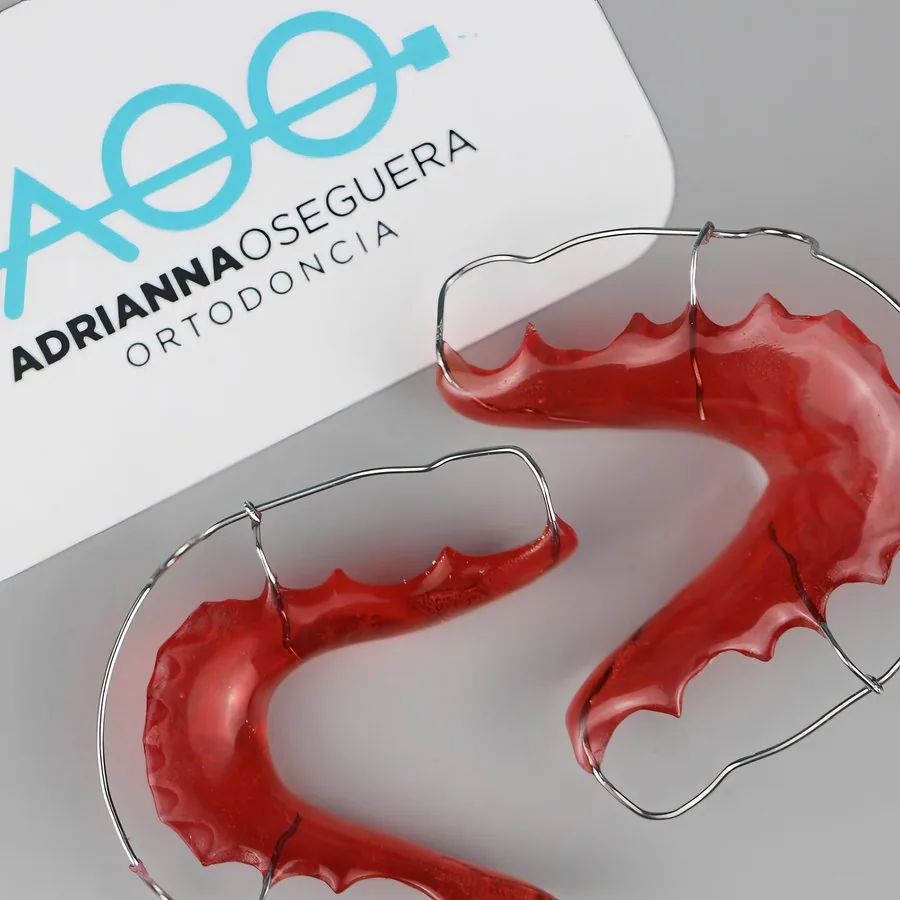
Phase 1 treatment is focused and brief, usually lasting between 8 and 14 months. Once the skeletal objective (such as palatal expansion or crossbite correction) is achieved, retainers are worn to consolidate bone while permanent teeth continue erupting.
How do we schedule a pediatric evaluation if we live across the border in the US?
Many families from Calexico, Imperial, El Centro, Yuma, and San Diego visit our Mexicali practice on Saturdays or after school. We coordinate appointments to coincide with your family schedule and provide complete documentation for school attendance.